>> AUTUMN in Maine
-
With Love, from Maine
From the Kittery Trading Post to Fort Kent’s America’s First Mile Route 1 sign, the on-site “I was here!” choices are limitless…
-
Fall Foliage Frolics
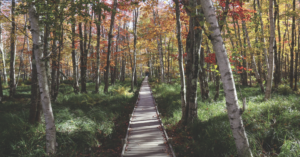
Starting in September, the Maine wilderness transforms as the green canopies become kaleidoscopes of…

>> featured Articles
-
Oh My Gourd
Across Maine, gourds offer a more unexpected way to celebrate the season. Knobby, striped, speckled, twisted…
-
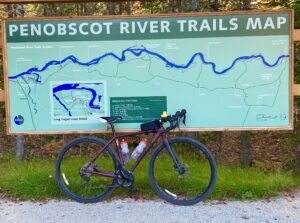
Take a Ride on the Penobscot River Trails
Located about in Staceyville, about 10 miles north of Medway up Grindstone Road, Penobscot River Trails…
-
Oceanside State Parks to Explore
The sound of waves crashing on the shore, mixed with the cry of gulls, serves as a siren song, drawing people to…


>> Food & Drink
-
Cozy Autumn Dinners
From a fresh, light halibut recipe to a saucy mussels recipe served over pasta to a creamy curry inspired by…
-
Summer Starts Here
Summer has finally arrived in Maine. As the temperature begins to climb, a favorite treat for many Mainers is a…
-
The Sweetest Season
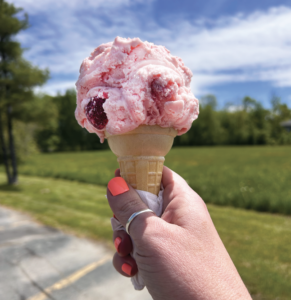
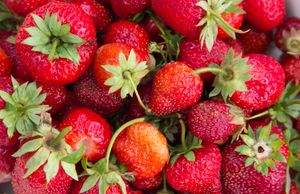
Established in 1978 by Mark and Gloria Goughan, their three daughters, and other family members, the 500-acre…

>> MARRY ME

-
Going Public
Coastal views, serene lake sunsets, iconic lighthouses — any of these can make for an ideal wedding location…

-
Wedding Bells
Cellist and composer Ronan Sands of Eddington, now 17, began writing music when he was 10, only three years after…

>> life in maine
-
With Love, from Maine
From the Kittery Trading Post to Fort Kent’s America’s First Mile Route 1 sign, the on-site “I was here!” choices are limitless…
-
Imperfect Heroes
“The Seraph,” Jane Goodrich’s second novel immersed in late 19th century history, was released in July 2026…
-
Passing the Popsicle Stick Test
My high school had a track around the football field, but we had no track team. Back then, in the early stone age…


>> OutDoors & Health
-
The Maine Ingredient
As fall approaches, there’s no better time to consider how best to care for our skin. With Maine’s vibrant community of…
-
Fall Foliage Frolics
Starting in September, the Maine wilderness transforms as the green canopies become kaleidoscopes of…
-
Peaceful Ponds
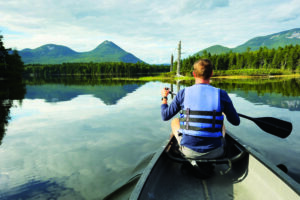
Home to many of Maine’s tallest mountains, Baxter State Park is known as a place to tackle challenging hikes…

>> History & heritage
-
Visiting History
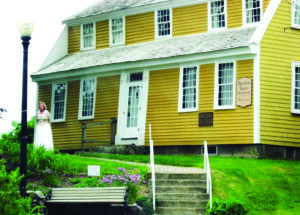
From 18th-century houses to storied forts and graveyards, Revolutionary War history is waiting to be explored…
-
Maine Mottos
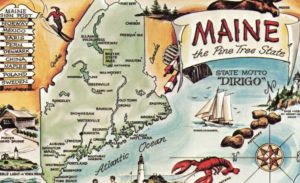
Some days, it seems you can’t go anywhere in Maine without seeing two familiar names: Dirigo and Vacationland…
-
Britain’s Mark on Maine
Drive around Maine today and you might think the British never surrendered control of the 13 original colonies…